Sneezing More at Home
Than Anywhere Else?
When sneezing flares up at home and settles down elsewhere, your home's air is usually involved. Find out what's triggering it before trying more medication or buying equipment that may not help.
Start Free Assessment (8 Minutes)Does Any of This Sound Like Your Situation?
- You sneeze more at home than when you're at work, outside, or at other people's houses
- It tends to happen in certain rooms, or flares up after specific activities like vacuuming, opening closets, or turning on the HVAC
- Antihistamines take the edge off but the pattern keeps going when you're home
- Itchy eyes, a runny nose, or a scratchy throat tend to show up alongside the sneezing
- The house has carpet, a lot of upholstered furniture, or pets that spend time indoors
- Symptoms seem worse in certain seasons, or after something changed at home
- You've wondered whether it's dust, pet dander, mold, or something you can't quite identify
😷 "Breathing or allergy symptoms (congestion, sneezing, coughing)"
The assessment will work through your symptom timing, the rooms and activities involved, your home's features, and moisture and ventilation factors to help narrow down what's driving it.
Why Location and Timing Matter More Than the Sneezing Itself
Sneezing is a response to irritation, and irritation needs a source. When the pattern is tied to a specific place, room, or activity, that's actually useful information. It means the trigger is findable.
Triggered sneezing vs. background sneezing: Sneezing that flares up after you vacuum, open a rarely-used room, or turn on the heat for the first time in fall is telling you something specific about where the irritant is concentrated. Sneezing that's worse in one room than others points toward a source in that space. These patterns don't require guessing. They require following the clues.
The reason treating it without investigating first tends not to work long-term is that different sources need different responses. An air purifier with a HEPA filter helps with airborne particles but does nothing for allergens embedded in carpet or upholstery. Antihistamines suppress the reaction but don't reduce exposure. Knowing the source changes what's actually worth doing.
Common Sources the Assessment Investigates
These are the sources most likely to cause home-specific sneezing. They have distinct patterns, and the right response is different for each one.
🏠 Dust and Dust Mites in Carpet and Fabric
Dust mites are the most common indoor allergen and they accumulate in carpet, upholstered furniture, curtains, and bedding. Sneezing that flares up when you walk across carpet, sit on a sofa, or disturb fabric in any way is a strong indicator. Vacuuming without a HEPA filter can temporarily make it worse by lifting particles into the air. High humidity encourages dust mite populations to grow.
🐾 Pet Dander Throughout the Home
Pet dander is lightweight and stays airborne for hours, settling on every surface in the home including rooms pets don't enter. It also circulates through HVAC systems. People can develop sensitivity to a pet they've had for years with no previous reaction, and the reaction often shows up as sneezing in specific rooms where dander has accumulated rather than in every room equally.
🍄 Mold Spores from HVAC or Hidden Moisture
Mold spores released into the air from HVAC systems, basement moisture, or hidden water damage reach every room in the house. Sneezing that gets noticeably worse when the heat or AC turns on, or that tracks with humid conditions and wet weather, often points toward mold as a factor. A musty smell alongside respiratory symptoms strengthens this as something to investigate.
🌿 Pollen and Outdoor Allergens Tracked Inside
Pollen, grass, and outdoor mold spores come in on shoes, clothing, and pets and accumulate on surfaces near entry points. Sneezing that's worst near doorways or in entry areas, or that correlates with high outdoor pollen counts, often reflects indoor accumulation of outdoor allergens. This is one of the causes where shoe-free habits and entry mats make a measurable difference.
Activity-triggered sneezing is a useful clue: If sneezing flares up specifically when you vacuum, open a closet that doesn't get used, turn on the HVAC for the first time in a season, or disturb stored items, those are each pointing toward where the source is concentrated. The assessment asks about these patterns specifically because they help narrow down where to look.
What the Assessment Investigates
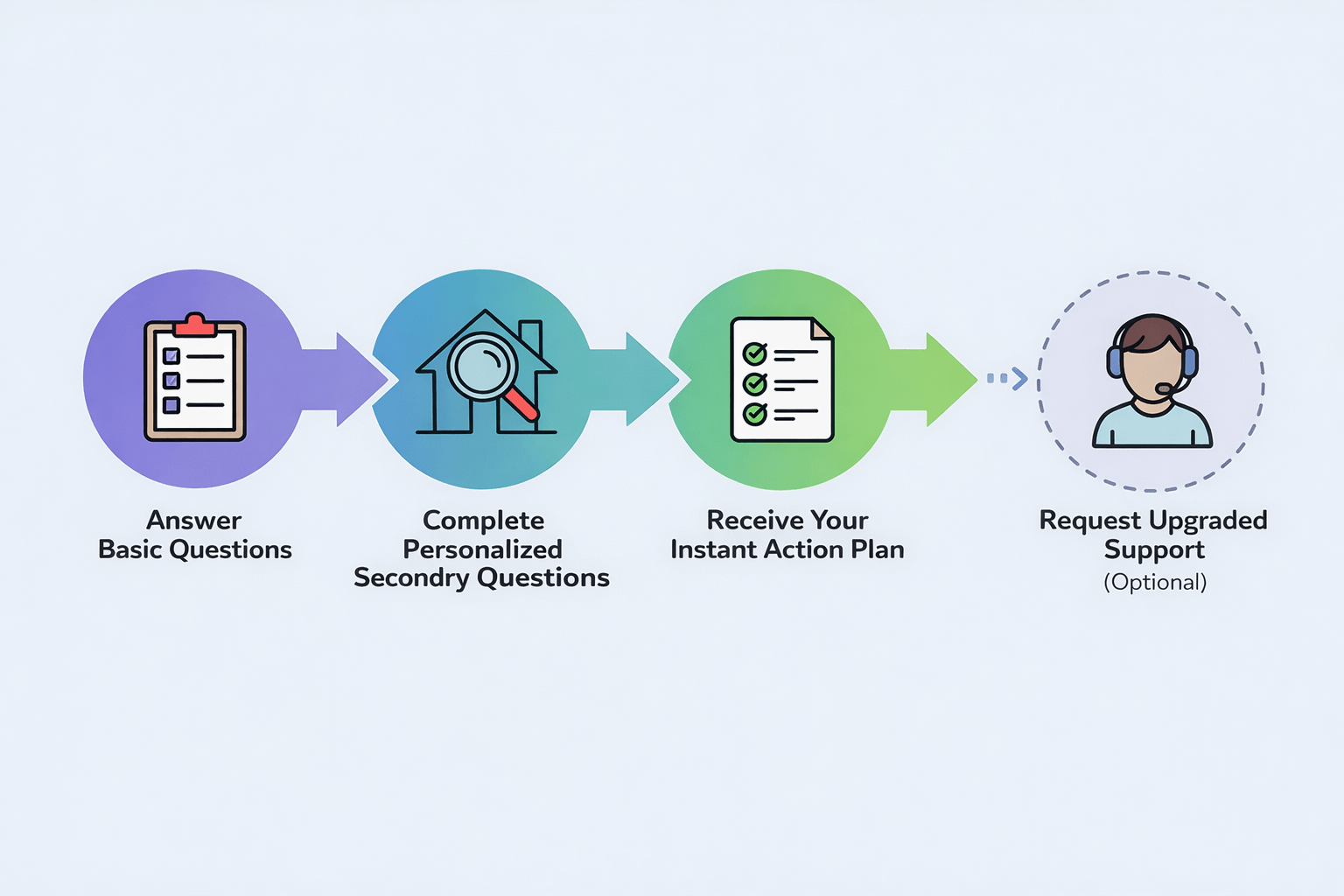
The assessment works through when and where symptoms happen, what activities seem to trigger them, your home's flooring and fabric situation, pets, HVAC maintenance, moisture indicators, and recent changes. It looks for the combination of factors that points most clearly toward a source in your specific home.
Results come in three categories: investigation steps at no cost, product guidance when your pattern warrants it, and which professional to contact if the situation calls for one.
completed
of their air
complete
Select "Breathing or allergy symptoms" to begin
Why EezyAir
Source Before Solutions
A HEPA air purifier helps with some triggers and does nothing for others. We identify what your pattern points toward before suggesting anything you might spend money on.
Nothing to Sell You
We don't sell equipment or remediation services. The assessment points toward what your situation actually calls for, which is sometimes a $0 fix once you know where to look.
Room and Activity Specific
Generic allergy advice treats your whole house the same. This assessment asks where and when specifically, because that's where the useful information is.
Optional upgrade: After your free assessment, you can have a U.S.-based analyst review photos of the areas and rooms most relevant to your symptoms and confirm your next steps. Under $150. Start free. Upgrade only if you want it.
Find Out What's Triggering It
8 minutes. Instant results. Free to start.
Begin Free AssessmentSelect "Breathing or allergy symptoms" to get started · No credit card · 2,763 completed