Why Do You Cough
More at Home Than Anywhere Else?
A cough that gets worse indoors, flares up in certain rooms, or fades when you leave usually has an environmental cause. Here's how to find out what it actually is.
Start Free Assessment (8 Minutes)Does This Pattern Sound Familiar?
- You cough more at home than at work, outdoors, or when traveling
- The cough tends to ease up after you've been out of the house for a while
- It's worse in certain rooms, or picks up when the heat or AC kicks on
- You notice it more at night or in the morning before you leave
- Asthma or allergy symptoms seem under control in most places, but not at home
- Doctors haven't found a clear medical cause
- It started or got noticeably worse after a move, renovation, or seasonal change
😷 "Breathing or allergy symptoms (asthma, congestion, sneezing, coughing)"
The assessment will focus on the indoor air patterns most associated with coughing and airway irritation.
What Actually Causes Coughing at Home
A cough that's worse indoors isn't just bad luck. Your home has specific conditions that outdoor air doesn't. The cause depends on which of these are present.
🔥 Combustion Byproducts
Gas stoves, water heaters, furnaces, and attached garages all produce combustion gases. NO2 from a gas stove is one of the most common and least recognized causes of indoor respiratory irritation. Poor ventilation traps it at home level.
🍄 Mold Spores
Bathrooms, basements, HVAC systems, and areas with old water damage can release mold spores into circulated air. Cough that worsens when heat or AC runs can point to contamination inside the ductwork.
🪟 Poor Ventilation
A tightly sealed home concentrates whatever is already in the air. CO2 builds up, irritants recirculate, and there's no fresh air exchange to dilute them. Symptoms worsen gradually through the day and improve when you leave.
🧴 VOCs and Off-Gassing
New furniture, flooring, paint, and cabinets release chemical compounds that irritate airways. Throat irritation and cough that started after a renovation or new purchase often points here.
Why this matters before you buy anything: Each cause needs a different fix. A HEPA purifier helps with particles but does nothing for combustion gases or poor ventilation. Humidity control addresses mold risk but won't reduce VOCs. Getting the right answer first is what directs your effort and money correctly.
Three Quick Checks Before You Start
These observations take 5 minutes and help you arrive at the assessment with useful information already in hand.
Check #1: Does It Ease Up When You Leave?
Think about the last few times you've left the house for several hours. Did the cough settle down while you were out and pick back up when you returned? This pattern is one of the clearest signals that the source is inside your home rather than a medical issue traveling with you. Even a partial improvement is worth noting.
Check #2: Does It Get Worse When the HVAC Runs?
Pay attention to whether coughing picks up shortly after the heat or air conditioning turns on. HVAC systems can circulate dust, mold, or dander that's built up in ducts or on coils. If symptoms track with when the system runs, that's a useful pattern to bring to the assessment.
Check #3: What Has Changed in the Past Year?
New furniture, flooring, paint, or renovation work? A water event that was cleaned up but maybe not fully dried? A new gas appliance? Changes in how often windows are open? New pets? Cough that started or worsened at a specific point in time often traces back to something that changed around that same time.
Important: This assessment investigates environmental patterns, not medical causes. If you have severe breathing difficulty, chest pain, or worsening symptoms, see a doctor first. The assessment is best used alongside medical care, not instead of it.
What the Assessment Investigates
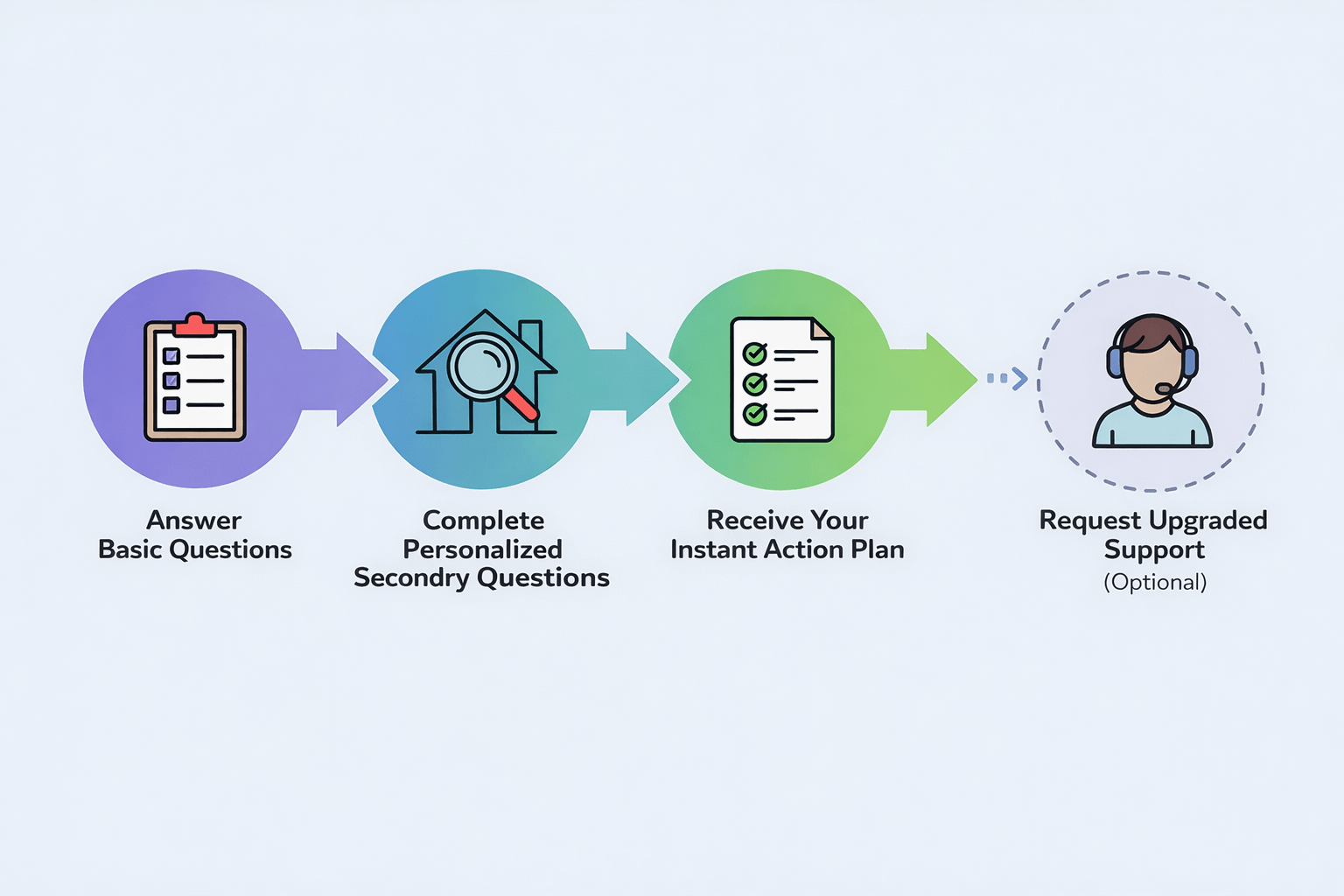
The assessment works through your symptom timing, home details, combustion sources, ventilation patterns, moisture history, and recent changes. You get organized results immediately when you finish.
Three categories of output: no-cost changes to try first, targeted product guidance only if your patterns point to a specific need, and direction on when a professional makes sense and what kind.
completed
of their air
complete
Select "Breathing or allergy symptoms" when you begin
Why EezyAir
Pattern First, Products Second
We figure out which environmental factors are present before pointing toward any solution. That's different from most advice you'll find online.
Nothing to Sell You
No purifiers, no services, no remediation. The assessment has no incentive to point you toward anything except what your situation actually calls for.
Your Home Specifically
A newly renovated apartment has different air than a 40-year-old house with a basement. The assessment accounts for your home's specific characteristics.
Optional upgrade: After your free assessment, you can choose to have a U.S.-based analyst review your situation, look at photos of concerning areas, and answer follow-up questions. Under $150. Start free. Upgrade only if you want it.
Find Out What's Behind Your Indoor Cough
8 minutes. Instant results. Free to start.
Begin Free AssessmentSelect "Breathing or allergy symptoms" to get started · No credit card · 4,183 completed