Does Your House
Make You Sleepy?
Feeling drowsy or groggy at home more than you'd expect, even after sleeping reasonably well, is sometimes a ventilation or air quality issue. Find out what's worth investigating before assuming it's just you.
Start Free Assessment (8 Minutes)If drowsiness is sudden, severe, or affects everyone in the home at once: That pattern can indicate carbon monoxide. Get outside immediately and call 911. CO is odorless and can be life-threatening. This assessment is for investigating persistent, pattern-based sleepiness, not acute emergencies.
Does Any of This Sound Familiar?
- You feel drowsy or groggy at home more than seems reasonable, even when you've slept
- You find yourself nodding off on the couch or dozing unintentionally when you're just sitting quietly at home
- The feeling tends to ease up once you go outside or spend time away from the house
- It seems worse in winter or when the house has been closed up for a while
- Other people in the house mention feeling unusually tired or sluggish too
- You feel fine at work or other people's homes, but something about being in your own house makes you want to sleep
- The house can feel stuffy, stale, or like there's not quite enough air, even with the windows closed
😴 "Fatigue, headaches, or trouble concentrating"
The assessment will work through symptom timing, combustion sources, ventilation factors, and recent home changes to look at what might be driving the pattern.
Why Your Home's Air Can Make You Sleepy
Most people know that a hot, stuffy room makes you tired. But the reason isn't just temperature. When a space has poor ventilation, CO2 builds up from normal breathing and the air becomes progressively less oxygen-rich over time. Your body responds to elevated CO2 with drowsiness, reduced alertness, and a drop in cognitive function — even when you've slept a reasonable amount.
The CO2 buildup problem: In a closed bedroom overnight, indoor CO2 can reach 2,500 to 3,000 ppm — roughly three times the recommended level. Research shows that sleeping in elevated CO2 measurably reduces sleep efficiency, meaning you spend less of your time in bed actually asleep. You wake up feeling less rested even if you were in bed for a full eight hours. During the day, the same buildup in living spaces causes drowsiness and reduced concentration without any obvious explanation.
This is distinct from carbon monoxide (CO), which is the toxic combustion gas. CO2 at elevated indoor levels isn't acutely dangerous the way CO is, but it has real effects on how you feel and function.
Drowsiness is also one of the patterns where multiple causes can look identical on the surface. CO2 from poor ventilation, low-level CO from combustion appliances, and VOC off-gassing can all produce sleepiness and grogginess. Figuring out which one is responsible changes what needs to happen next.
What the Assessment Looks at for This Pattern
💨 Poor Ventilation and CO2 Buildup
The most common and most overlooked cause of home drowsiness. Modern homes are well-sealed for energy efficiency, which means fresh air exchange is limited. CO2 from breathing accumulates in living spaces and bedrooms, particularly in winter when windows stay closed for months. Drowsiness that's noticeably worse when the house has been closed up, or that gets better when you open a window, is a strong ventilation indicator.
🔴 Low-Level Carbon Monoxide
CO from gas appliances, attached garages, or wood-burning sources at low concentrations causes drowsiness, grogginess, and morning headaches without triggering standard CO detectors (which alarm at 70 ppm but chronic effects occur at 10 to 35 ppm). Drowsiness that's worse when the furnace runs, or that affects multiple people in the house simultaneously, warrants CO investigation specifically.
🧪 VOC Off-Gassing
New furniture, flooring, mattresses, and paint off-gas volatile organic compounds for months after installation. At sustained indoor concentrations, VOC exposure causes fatigue, drowsiness, and difficulty thinking clearly. A pattern that started after a move, renovation, or new furniture purchase and has been gradually improving over months points toward this as a factor.
😴 Sleep Disruption from Allergens
Dust mites, mold spores, and pet dander don't cause acute drowsiness on their own, but they disrupt sleep quality by triggering mild inflammatory responses and congestion overnight. The result is waking up feeling less rested than the hours in bed would suggest. Morning symptoms that improve once you're up and moving, combined with an older mattress, carpet in the bedroom, or pets, point toward allergen-related sleep disruption.
What the Assessment Investigates
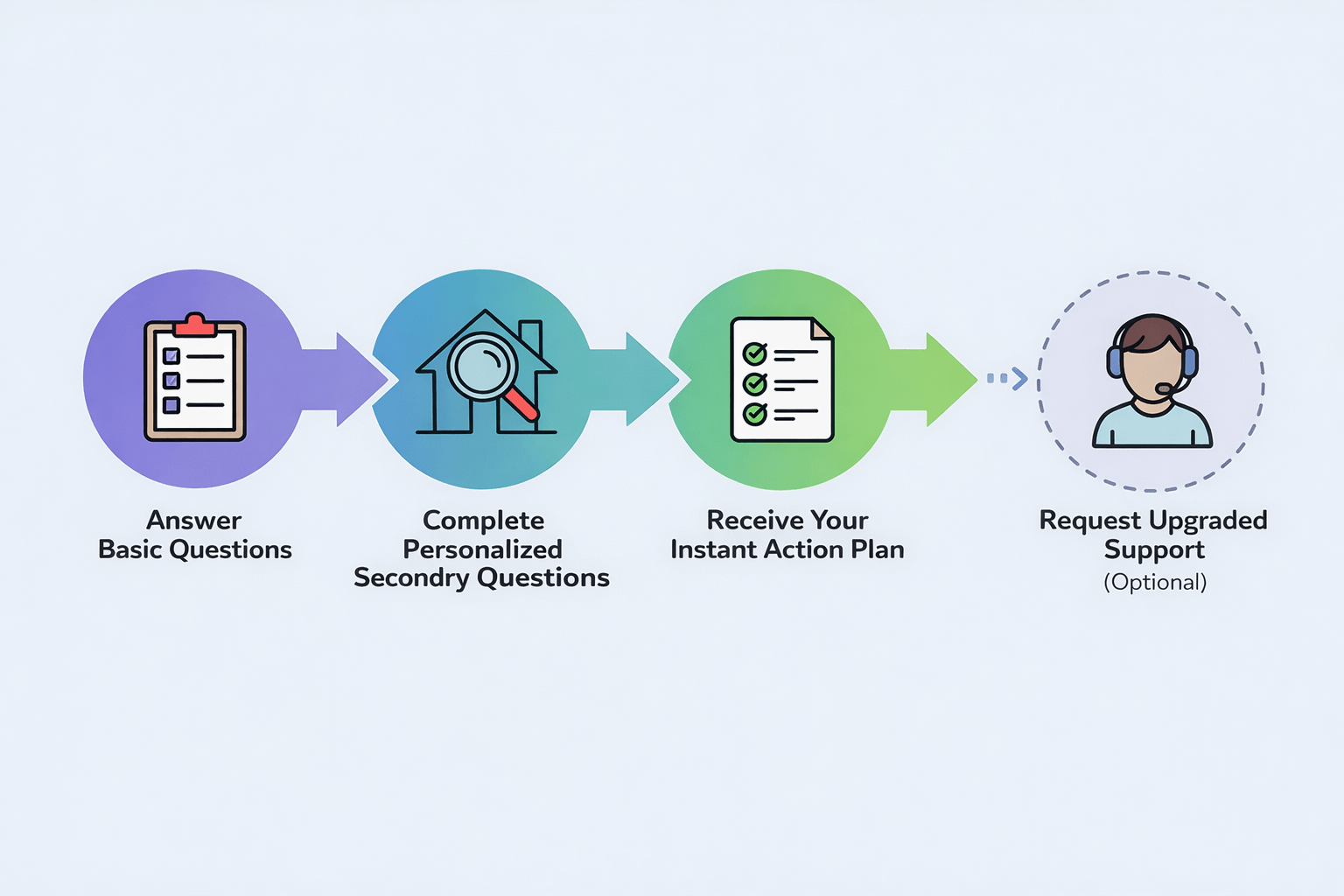
The assessment works through your symptom timing, combustion sources, home ventilation characteristics, recent changes, bedroom environment, and seasonal patterns. It looks for the combination that points most clearly toward a cause category in your specific home.
Results come in three categories: no-cost investigation steps, product guidance when your pattern warrants it, and which professional to contact if the situation calls for one.
completed
of their air
complete
Select "Fatigue, headaches, or trouble concentrating" to begin
Why EezyAir
CO2 vs. CO vs. VOCs
These three causes produce similar drowsiness but need completely different responses. The assessment separates the patterns so you investigate the right thing instead of guessing across all of them.
Nothing to Sell You
HVAC companies find HVAC problems. Air purifier companies find particle problems. We have no equipment to upsell. The assessment points toward what your pattern actually suggests.
Safety Situations Get Flagged
If your drowsiness pattern is consistent with low-level CO, the assessment identifies that and tells you what to do next, not just general air quality improvements.
Optional upgrade: After your free assessment, you can have a U.S.-based analyst review your specific home details and symptom pattern and confirm next steps. Under $150. Start free. Upgrade only if you want it.
Find Out What's Going On
8 minutes. Instant results. Free to start.
Begin Free AssessmentSelect "Fatigue, headaches, or trouble concentrating" · No credit card · 1,892 completed