Why Do You Cough When
Your Heat or AC Turns On?
Throat tickle the moment the furnace kicks in. Coughing through the night when the heater runs. Clearing your throat every time the AC starts. This pattern has specific causes, and most of them are fixable once you know which one is yours.
Start Free Assessment (8 Minutes)Does This Sound Like Your Home?
- You cough or clear your throat within a few minutes of the heat or AC turning on
- It's worse in winter with the furnace running, or all summer while the AC runs
- Symptoms ease when the system is off, or in rooms without much airflow
- You've changed the filter and it helped some, but the coughing came back
- Your throat feels dry or irritated more than it used to
- Other people in the house notice it too — or nobody else does but you
😷 "Breathing or allergy symptoms (asthma, congestion, sneezing, coughing)"
The assessment will focus on the dust, filtration, humidity, and duct-related patterns that drive HVAC-triggered coughing.
What's Usually Behind It
It's almost never the HVAC system itself. It's what the system is moving through your air.
When heating or cooling turns on, it creates airflow that stirs up, distributes, or amplifies whatever is already present. Here are the four most common causes.
💨 Dust and Particles in the Ductwork
Ducts accumulate dust and debris over time. When the system turns on, that material gets pushed through vents into your living space. Each cycle delivers a short burst of particles right into the air you're breathing.
🌵 Forced Air Dropping Humidity
Heating systems are notorious for drying out indoor air. When humidity drops below 30%, the mucus lining in your nasal passages and throat dries out and becomes irritated. The cough is your airway responding to dryness, not particles.
🍄 Mold on HVAC Coils or in Ductwork
AC coils and the area around the air handler can develop mold because of condensation. When the system runs, spores circulate through the house. This is more common than people expect and often causes coughing specifically when the AC is on.
🐛 Allergens Already in Your Home
Dust mites, pet dander, and pollen settle on floors and furniture. When the HVAC creates air movement, those particles get stirred up and recirculated before your filter catches them. The system isn't creating the problem, but it's making exposure worse.
Why this matters: Each cause has a different fix. Dry air needs a humidifier. Duct dust needs filter upgrades. Mold on coils needs a professional. Allergens need source reduction. The assessment figures out which mechanism fits your pattern so you address the right thing first.
Three Quick Checks Right Now
Before you start the assessment, these observations take less than 10 minutes and tell you a lot.
Check #1: Time How Fast the Cough Starts
Turn your heat or AC on and pay attention. Does the cough start within 1 to 2 minutes? Or does it build over 10 to 20 minutes? Fast onset usually points to dust or particles being pushed from ducts right away. Slower onset tends to point toward humidity changes accumulating over time. Noting your timing gives the assessment useful data to work with.
Check #2: Pull Out a Return Vent and Look Inside
What to check: Find a return air vent (the larger grille that pulls air in, not the supply vent that blows it out). Unscrew the cover and shine a flashlight inside. A thin layer of dust is normal. Heavy buildup, visible debris, dark discoloration on the duct walls, or anything that looks damp or fuzzy are worth flagging in the assessment.
Also check your filter: Pull the HVAC filter and hold it up to light. If you can't see light through it, it's overdue and likely contributing to the problem. Note when you last changed it.
Check #3: Note Whether It's Heat, AC, or Both
Coughing when the furnace runs but not with AC points toward dry air from heating. Coughing with AC but not heat points toward mold on the evaporator coil or drainage issues. Coughing equally with both systems suggests dust in the shared ductwork or allergens in the home itself. This distinction alone narrows the assessment considerably, so pay attention to the seasonal pattern before you start.
If coughing is severe, produces blood, is accompanied by fever, or has lasted more than 3 weeks: See a doctor before troubleshooting air quality. These symptoms may indicate a medical condition that environmental changes won't address.
What the Assessment Investigates
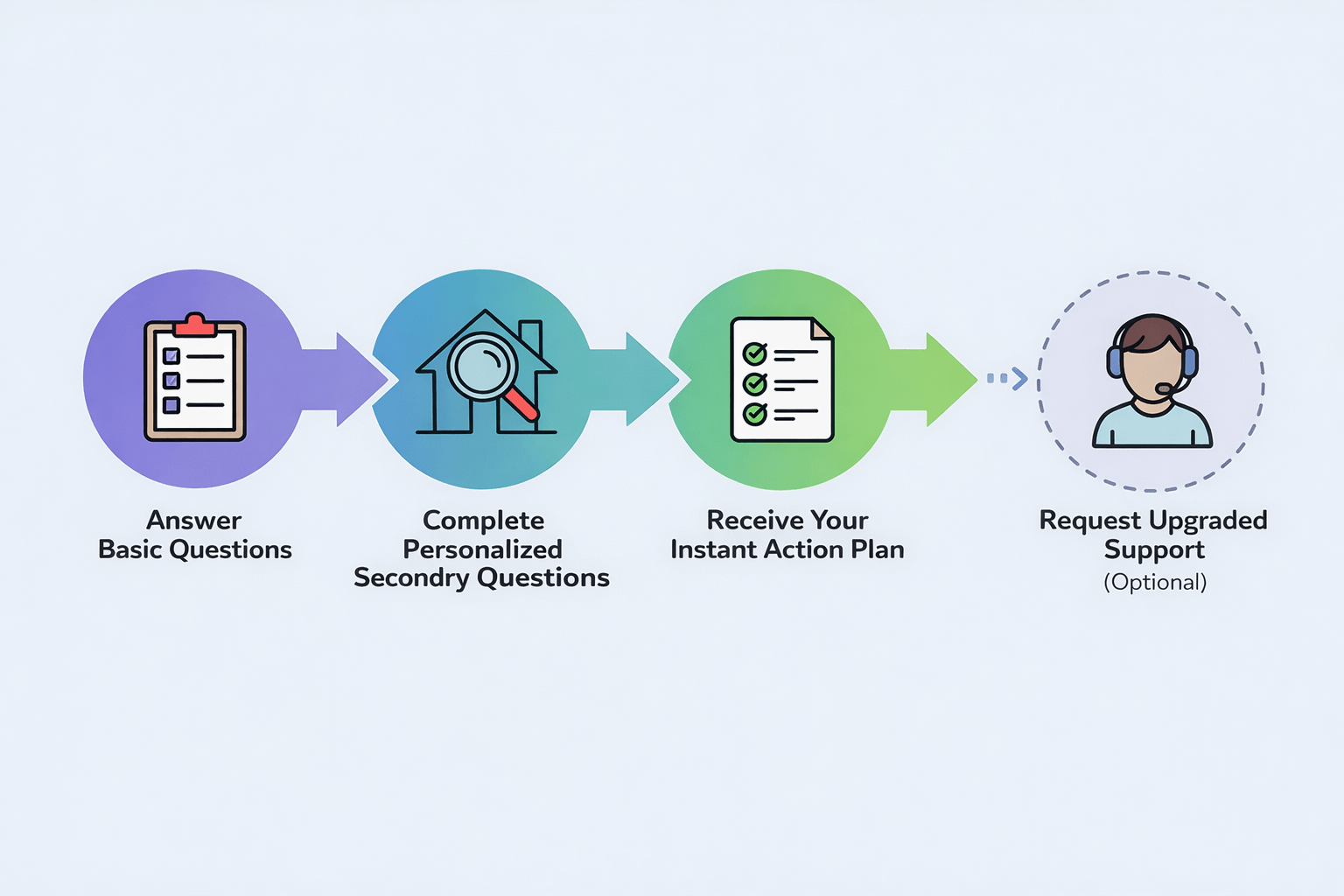
The assessment works through your symptom timing, HVAC setup, seasonal patterns, filter habits, recent home changes, and humidity levels. Results are organized by priority when you finish.
You'll get specific direction on what to check, what to change, and whether your situation warrants a professional inspection. Not generic air quality advice, but guidance based on your actual patterns.
understanding of their air
complete
Select "Breathing or allergy symptoms" when you begin
What You Get From the Assessment
🆓 No-Cost Changes to Try First
A lot of HVAC-related coughing improves with changes that cost nothing: adjusting filter replacement timing, running exhaust fans while the system runs, managing bedroom humidity differently, or improving vent airflow patterns. The assessment tells you which of these apply before pointing you toward any product.
🛒 Targeted Guidance If Products Are Needed
If your situation points to a specific cause, you'll get direction on what type of solution addresses it. A humidifier recommendation when dry air is confirmed. A filter upgrade when filtration is the gap. Not a blanket "buy an air purifier" suggestion before you know why.
👷 When to Bring In a Professional
If patterns suggest mold in the HVAC system, significant duct contamination, or combustion issues, the assessment tells you clearly so you know whether to call an HVAC tech, a mold inspector, or whether you can handle it yourself.
Optional upgrade: After your free assessment, a U.S.-based analyst can review your specific situation, look at any photos you have, and answer follow-up questions. Under $150. Start free. Upgrade only if you need it.
Why EezyAir
Investigation Before Solutions
We identify the specific cause before recommending anything. Most people with HVAC-related coughs have already tried one or two things. The assessment figures out which fix matches the actual cause.
No One Enters Your Home
You conduct the walk-through yourself. The assessment guides you on what to look for, check, and note to build an accurate picture of your situation.
No Upsell on Equipment
EezyAir sells information, not hardware. There's no incentive to recommend products you don't need. If the answer is a $25 filter change, that's what you'll hear.
Find Out Why Your System Is Making You Cough
8 minutes. Instant results. Free to start.
Begin Free AssessmentSelect "Breathing or allergy symptoms" to get started · No credit card required